Homemade bubble bath for kids takes about five minutes and two or three ingredients you probably already have: warm water, a clear dish soap or unscented liquid castile soap, and a little glycerin. You stir the base, dilute it into the tub under running water, and the falling stream does the aerating. It makes smaller bubbles than the store-bought stuff, and it costs a fraction of it per bath.
The catch is that castile soap on its own gives you a thin film of foam that collapses in under two minutes. Glycerin is what fixes that, so if you skip it, skip the recipe and use shampoo instead. Here’s what to gather, how to mix it, and what to do when the bubbles come out flat.
Table of Contents
- What You Need
- Step-by-Step: How to Make Homemade Bubble Bath for Kids
- How to Make Homemade Bubble Bath for Kids: Mix the Base
- Test the Mixture and Add It to the Bath
- Common Mistakes
- Frequently Asked Questions
- What ingredients make the best homemade bubble bath for kids?
- Is homemade bubble bath safe for children with sensitive skin?
- Why are my homemade bubbles weak or disappear quickly?
- Can I add essential oils or fragrance to homemade bubble bath?
- How long can homemade bubble bath be stored, and should it be refrigerated?
- How much homemade bubble bath should I add to a children’s bathtub?
- Conclusion
What You Need
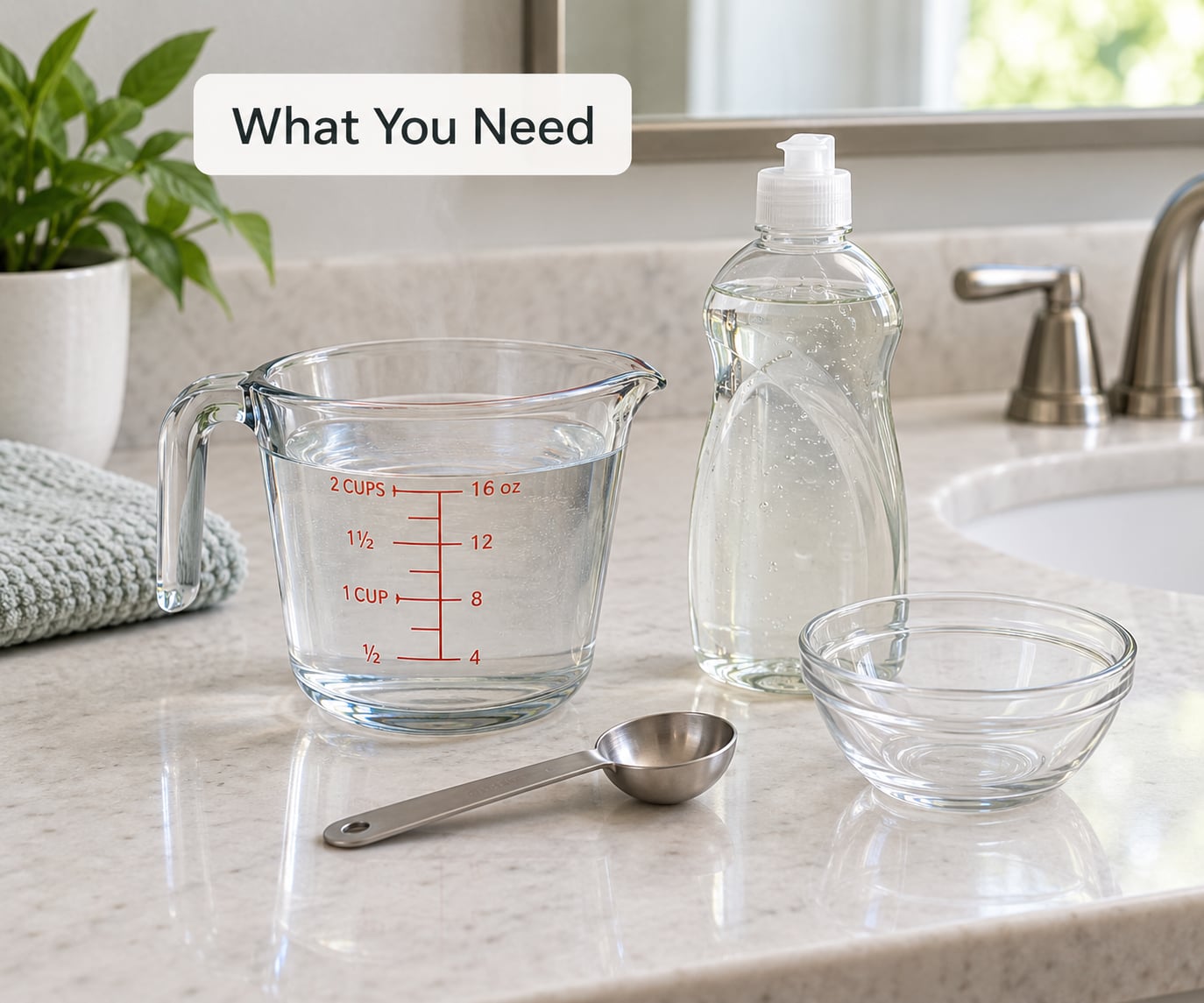
You need three things for the base recipe and nothing else. Everything else on this list is optional, and honestly most batches are better without it.
- 1 cup warm water — the thinner the soap is at this stage, the better it blends.
- 1/2 cup clear dish soap — the regular Dawn-style kind, not the concentrated or free-flowing varieties, which foam too fast to control.
- 1 to 2 tablespoons vegetable glycerin — this is the ingredient that makes or breaks the bubbles.
- A medium bowl, a whisk or hand mixer, and a measuring cup — for mixing.
- Optional: 1 teaspoon aloe vera gel for a soothing base, or a few drops of food coloring for color.
A single batch makes roughly four to six kid-sized baths. Prep time is five minutes, and there is no heating, no cooking, and no waiting.
For substitutions: any clear, unscented dish soap works in place of the original, and shampoo works too if you have no dish soap at all (see the mistakes section for the salt trick that rescues it). If you don’t have glycerin, the bubbles will still form, they’ll just pop fast. Skip honey, almond oil and egg white — those recipes are popular online but they leave a sticky film on skin or turn the water milky.
Step-by-Step: How to Make Homemade Bubble Bath for Kids
How to Make Homemade Bubble Bath for Kids: Mix the Base
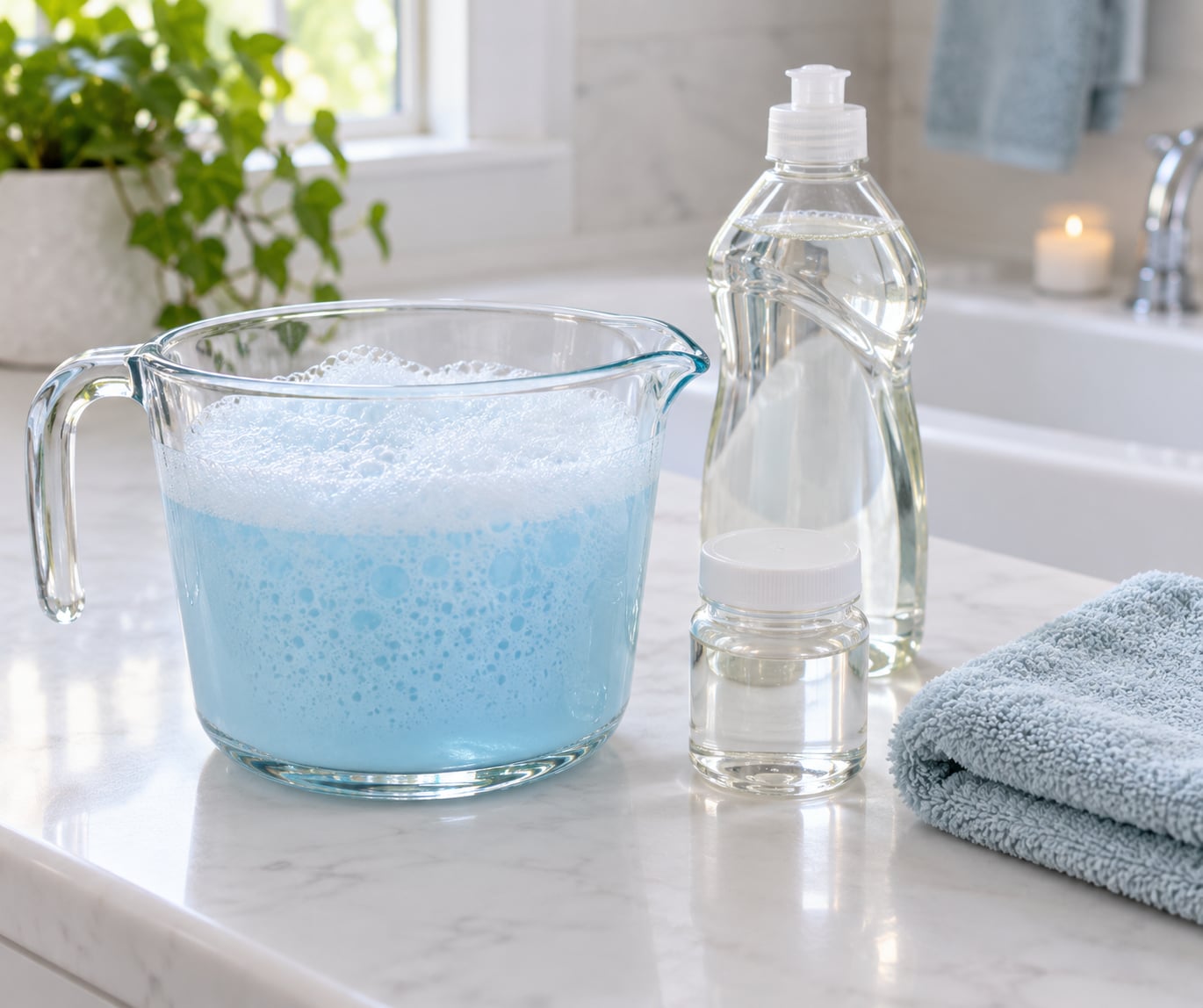
Pour the warm water into a bowl and add the dish soap. Stir slowly with a whisk until the mixture is completely clear with no streaks of soap floating on top.
Go slow here. If you beat dish soap hard, you foam it before it ever reaches the tub, and you lose most of the bubble-making potential to a bowl of suds. A few gentle circles until it’s uniform is all you need.
Now add the glycerin and stir again until it disappears completely. The mixture will thicken slightly and go slippery. That’s the point — glycerin slows the water draining out of each bubble’s thin film, which is why bubbles made with it hang on for several minutes instead of seconds.
Test the Mixture and Add It to the Bath
Before it goes near your child, dab a small amount on the inside of your own forearm and leave it for a few minutes. If you feel stinging or notice redness, the soap concentration is too high for your tub water — dilute the whole batch with another cup of water and test again.
Fill the tub with warm water first, then add the mixture. For a baby or a toddler just learning to sit, use about 2 tablespoons of concentrate in a full tub. Preschoolers can handle a quarter cup, and school-age kids usually want a half cup to a cup. Start low, though. You can always add more, but you can’t take foam out.
The best way to add it is to hold the bowl under the tap while the water runs. The falling stream is what traps air in the soap, so pouring the concentrate directly into still water gives you far fewer bubbles. Pouring it down the side of the tub while the water is running works almost as well.
You know it’s working when the foam builds while the water is still filling, and it holds a shape on the surface after you turn the tap off. If it collapses flat, you either moved too fast or you didn’t add enough glycerin.
Keep an adult within arm’s reach for the whole bath, and expect bubbles to fade within about ten minutes of soaking. That’s normal. If bubbles pop on contact, the most common culprit is hard water — minerals react with soap and kill the foam. Distilled water in the base helps, and running the tap for a minute to flush the lines helps more.
Common Mistakes
Almost every failed batch comes down to one of six things. Here’s the symptom, the reason, and the fix.
- Almost no foam. The concentrate went into still water with no stream to aerate it. Pour the mixture under the running tap instead.
- Bubbles form, then vanish in seconds. You’re using soap alone, with no glycerin to hold the film together. Add 1 to 2 tablespoons of glycerin per cup of soap.
- Milky water, no bubbles. Too much oil, usually almond or coconut. Drop the oils entirely — oil kills foam.
- Gritty or clumpy film in the tub. Epsom or magnesium salt reacting with real soap. Use plain salt, or leave salt out of the bubble bath.
- Sticky skin after bathing. Egg white or honey in the recipe. Stick to the three-ingredient base.
- A film that won’t rinse off the tub. An over-concentrated mix, or one sitting too long. Rinse the tub right after the bath, warm water first.
Two other mistakes are easy to avoid. Don’t use dish detergent meant for dishes on a child who has eczema or reacts to coconut-derived ingredients — plenty of castile soaps are coconut-based, and dish soap strips more oil than a wash needs to. And don’t add essential oils to a bath a baby will be sitting in; undiluted oils can irritate young skin, and any oil you add will flatten the bubbles anyway.
On storage: keep the mix in a squeeze bottle or a jar with a tight lid, away from heat, and use it within two to three weeks. It’s water with no preservative in it, so it will eventually grow something, and a sniff test is the fastest way to know. Swirl the bottle before each use, since glycerin and soap settle to the bottom.
Frequently Asked Questions
What ingredients make the best homemade bubble bath for kids?
The base is warm water, clear unscented dish soap or liquid castile soap, and vegetable glycerin. A good starting ratio is half a cup of soap to one or two tablespoons of glycerin. Glycerin is the ingredient people skip and then wonder why the bubbles pop in seconds. Skip honey, egg white and almond oil; they make the water milky or leave skin sticky.
Is homemade bubble bath safe for children with sensitive skin?
It usually is, because you control every ingredient, but dilution matters more than anything. Use about two tablespoons per full toddler tub and patch test on a small area of your child’s arm first. Skip essential oils and food coloring, and avoid the recipe entirely if your child reacts to coconut-derived ingredients, since most castile soaps are coconut-based. Talk to your pediatrician about bathing frequency if eczema is involved.
Why are my homemade bubbles weak or disappear quickly?
Three causes cover nearly every case: no glycerin, hard water, or adding the concentrate to still water. Glycerin slows the drain of water out of each bubble’s film, so a mix without it collapses in about two minutes. Minerals in hard water react with soap and kill foam, so run the tap for a minute or use distilled water. Always pour the mixture under a running stream, which is what traps the air.
Can I add essential oils or fragrance to homemade bubble bath?
Skip them for young children. Essential oils need heavy dilution before skin contact, and an undiluted drop in a warm bath can irritate a baby’s or toddler’s skin. Any oil you add also breaks the surface tension that holds a bubble together, so your foam collapses. If you want scent, use a few drops of pure aloe vera gel or leave the mix unscented and rely on the child’s own favorite cup and rubber duck instead.
How long can homemade bubble bath be stored, and should it be refrigerated?
Two to three weeks in a sealed bottle or jar at room temperature, no refrigeration needed. The mix is mostly water with no preservative, so it eventually spoils and there’s no way to make that shelf life longer without adding a preservative. Label the bottle with the date you made it, keep it out of direct sunlight, and swirl before each use. If it smells off or looks cloudy, throw it out.
How much homemade bubble bath should I add to a children’s bathtub?
Use about two tablespoons for a baby or toddler, a quarter cup for a preschooler, and a half cup to one cup for a school-age child in a full tub. Start with less than you think you need, since you can add more but you can’t remove foam. If you have hard water or kids with sensitive skin, stay at the lower end. Save the rest of the batch in the bottle for the next bath.
Conclusion
Mix one small batch first — half a cup of dish soap, a tablespoon of glycerin, a cup of warm water — and test it on your own forearm. Pour it under the running tap into a full tub and watch whether the foam holds once the water stops.
Stay within arm’s reach the whole time, start with two tablespoons for a toddler, and double the amount next bath if the bubbles came out thin. Adjust from there. You’ll find your family’s number in one or two baths, and you’ll know what to reach for when the store bottle runs out.