Learning how to make washable paint for kids takes about five minutes and nothing more than flour, warm water, a squirt of dish soap and food coloring. The whole batch mixes in one bowl, needs no cooking, and rinses out of skin, paper and sealed floors with warm water and soap. It is a genuinely useful recipe for a rainy afternoon, a preschool table, or any week the art supplies have run out.
One honest caveat up front. Homemade paint is non-toxic, not magic. It lifts easily from skin and most hard surfaces, but it will not behave like a commercial stain-blocker on wool, silk or untreated wood, and anything labelled washable deserves a spot test before it meets a favorite shirt.
I have mixed this same base recipe dozens of times with my own kids, and the version below is the one that survives a toddler session. Flour and cornstarch both work; the cornstarch version stays smoother and dries clearer, so it suits older children who notice texture.
Table of Contents
- What You Need
- Step-by-Step: How to Make Washable Paint
- 1. Mix the Flour and Salt
- 2. Add Water Gradually
- 3. Color the Washable Paint
- 4. Test and Adjust the Consistency
- 5. Use and Store the Paint
- Common Mistakes
- Frequently Asked Questions
- What ingredients make homemade paint washable?
- Can I use this washable paint recipe on clothes or carpets?
- How long does homemade washable paint last?
- Can toddlers use this paint safely?
- How can I make homemade finger paint less sticky?
- Can I add food coloring to homemade washable paint?
- Conclusion
What You Need
You need very little, and most of it you already own. The whole list fits in one cupboard.
- 1 cup all-purpose flour for the base. Cornstarch works in the same quantity and is gluten-free.
- 1/2 cup warm water, plus extra for thinning. Lukewarm water mixes more smoothly than cold.
- 1 tablespoon liquid dish soap, which is the ingredient that makes the paint lift off skin and wipe away.
- 1/4 teaspoon table salt as a thickener. Skip it if you are doubling the batch for a very young baby.
- Food coloring, liquid or powdered. A few drops per color.
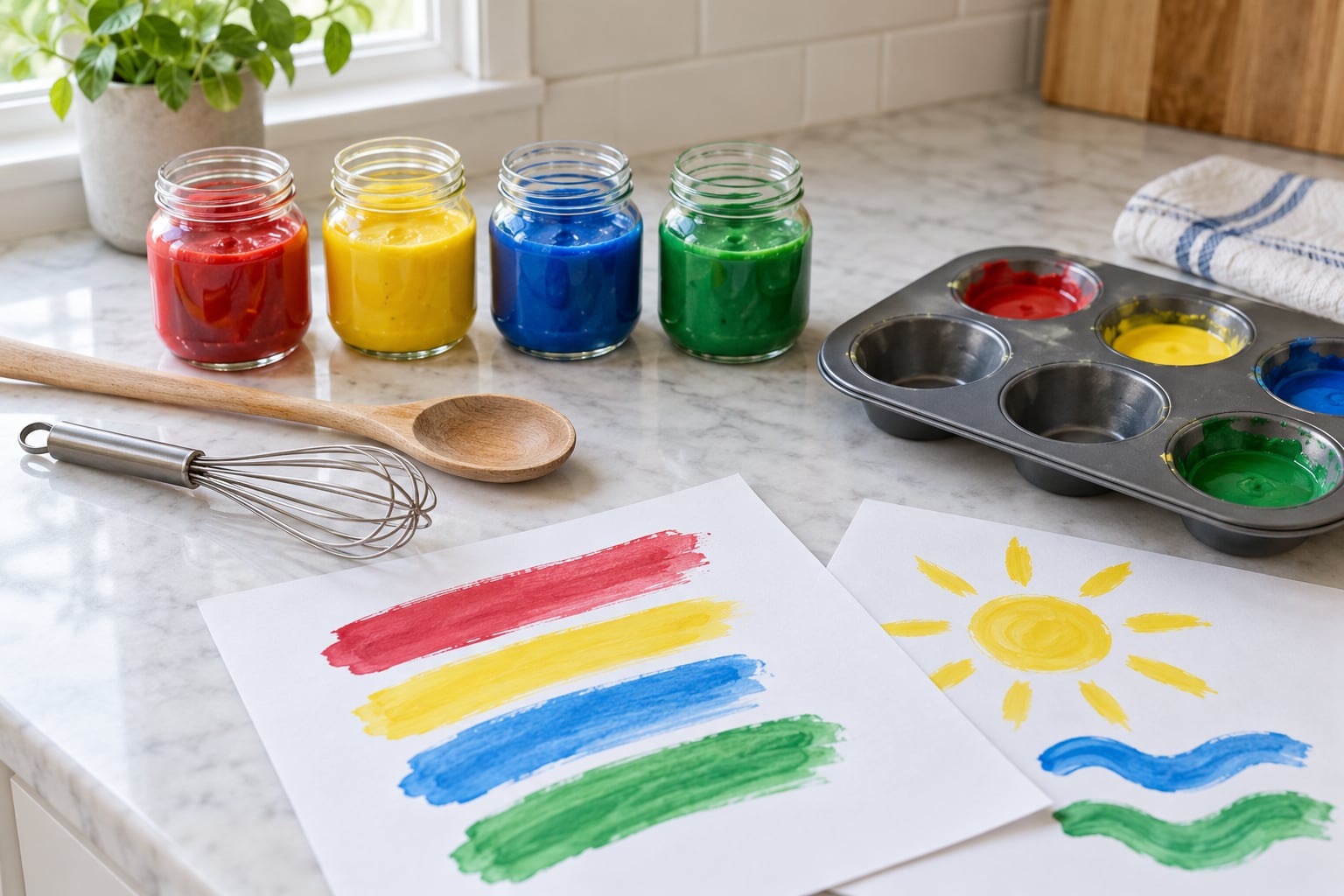
- A whisk or fork, a bowl, and a jar, squeeze bottle or muffin tin for storage.
- Paper, cardboard or a plastic tablecloth to paint on, plus a smock and wet paper towels nearby.
Two useful swaps. Kool-Aid powder dissolves into the dry mix and colors without dilution, and a spoonful of washable tempera paint gives far stronger color than food coloring if your child wants a deep shade.
Adults do the mixing. Pediatric guidance is consistent on this point: young children should be supervised closely around any art material, and nothing edible-looking should be treated as food. If anyone in the house has a wheat or dairy allergy, note that flour and dairy-based recipes are the ones to avoid.
Step-by-Step: How to Make Washable Paint
1. Mix the Flour and Salt
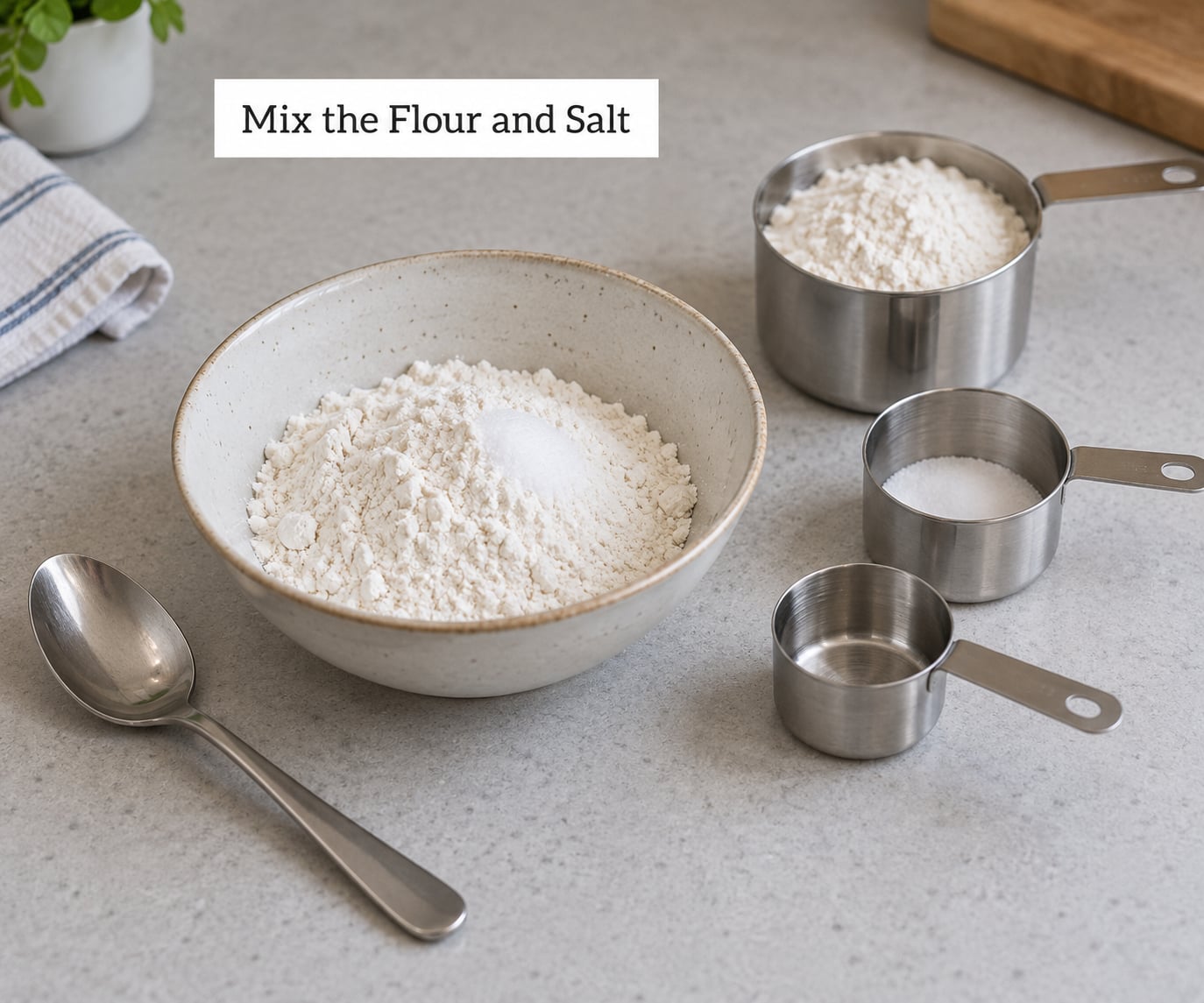
Whisk 1 cup flour and 1/4 teaspoon salt together in a wide bowl. Sifting matters more than it sounds, because a dry blend with no hidden clumps is what keeps the finished paint smooth.
2. Add Water Gradually
Pour in 1/2 cup warm water while whisking, then add the tablespoon of dish soap. Whisk until no dry pockets remain and the mixture falls slowly off the whisk in a ribbon. Add water a teaspoon at a time until it pours like thin cream.
3. Color the Washable Paint
Stir in three or four drops of food coloring at a time, then test a dab on scrap paper. One color per bowl or jar, and let each sit a minute before judging the shade, since wet paint dries a shade lighter.
4. Test and Adjust the Consistency
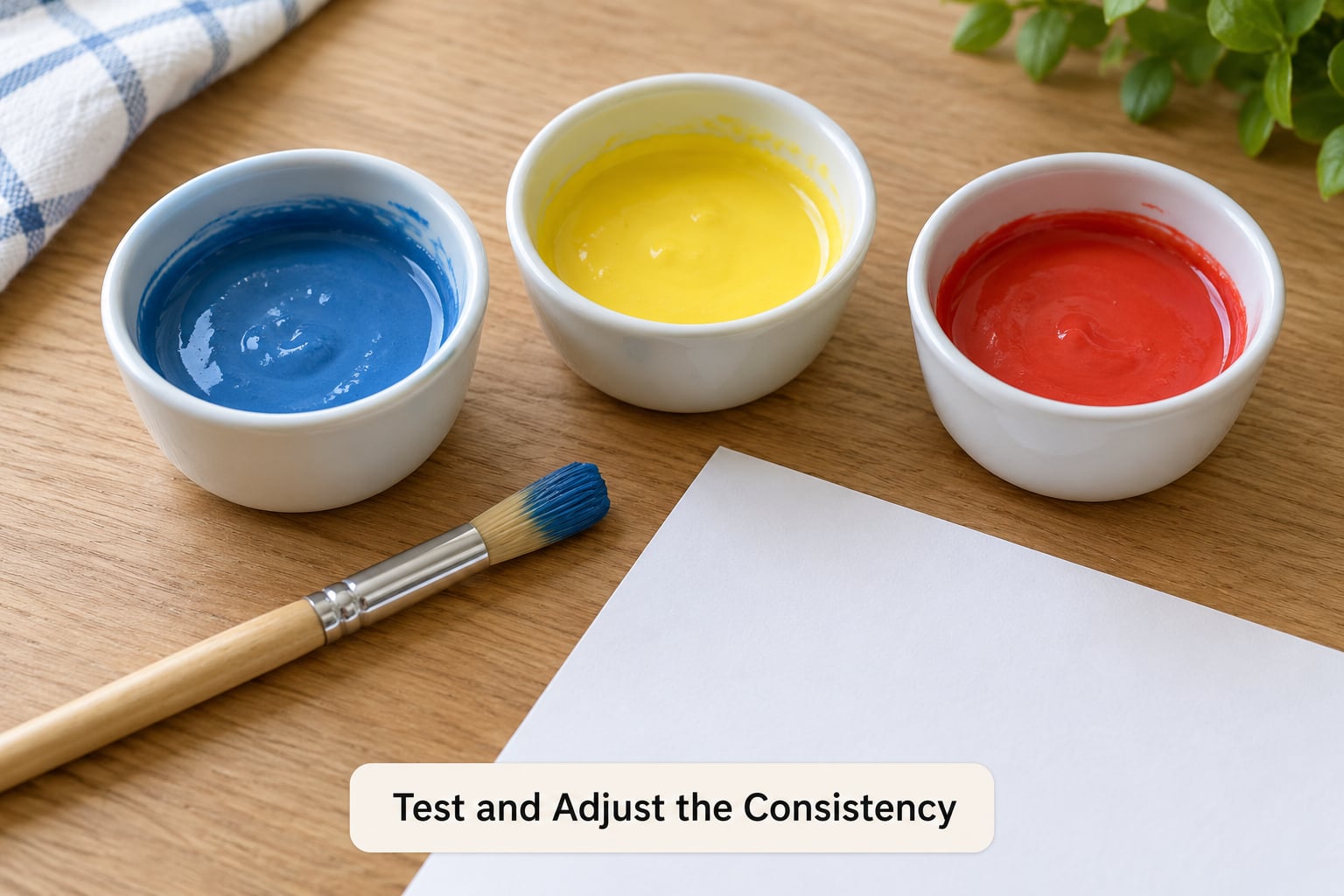
Drag a brush across paper. If the line breaks up and skips, the paint is too thick, so stir in water a spoonful at a time. If it puddles and runs, stir in a tablespoon of flour. Finger painting wants the thick, creamy end of that range. Brush or sponge painting wants a thinner, pourable mix.
For thicker results without lumps, sift in the extra flour and whisk vigorously. Equal parts flour, water and dish soap make a puffy paint that holds a raised line when squeezed from a bottle, and sets rubbery rather than dusty. A cornstarch-and-water base, one cup to one cup with a drop of coloring per cup, is the smoothest option and the easiest to pour into a muffin tin as single colors.
5. Use and Store the Paint
Set out a small amount on a plate or in a shallow dish and let the child dip rather than pour. Most of the mess is caused by a full bowl, not by the recipe. Wipe or rinse while the paint is still wet, because dried flour paint takes a warm soapy soak.
Scrape the remainder into a labeled jar and refrigerate. Expect a flour-and-soap batch to stay usable for one to two weeks, and a dairy or fruit-based one for only two to three days. Throw the batch out if it smells sour, has darkened, or shows a fuzzy film, and never re-dip a used brush back into the stored jar.
Common Mistakes
Most problems with homemade paint come down to thickness, and every one of them is fixable in a few seconds.
- Lumpy paint. Water hit dry flour before the whisking could keep up. Add a tablespoon of water at a time and whisk hard, or push the lumps through a sieve. Sifting the flour first stops it happening again.
- Too watery. It looks thin on the paper and beaded up in seconds. Stir in flour one tablespoon at a time and let the mixture sit for five minutes, because the flour keeps absorbing afterward.
- Too thick to paint with. It sits in ridges and skips under the brush. Add warm water a teaspoon at a time and test after each addition.
- Grainy or gluey. That is a cornstarch ratio drifting too heavy, and it dries rubbery and cracks. Add warm water slowly, or restart the batch with more of it from the start.
- Dried-out leftovers. Add warm water a little at a time and stir. If the smell has turned or the color has gone grey, discard it instead.
On safety and cleanup: keep the paint away from floors, upholstery and carpet if you can, because soaked fabric takes far longer to rinse than a smooth floor does. Washable markers and tempera paint are the better choice for clothes. If paint does get on fabric, rinse it under cold water before it dries, then treat the garment with laundry detergent and wash as usual. If a child gets paint on their skin, plain warm water and soap clears it; for hands that stay sticky, a short soak beats scrubbing.
Frequently Asked Questions
What ingredients make homemade paint washable?
Two ingredients do most of the work. Flour or cornstarch forms the film, and liquid dish soap acts as the emulsifier that lets the paint lift off skin and hard surfaces with water alone. Salt thickens the mix, and food coloring supplies the color. Water adjusts the thickness. Skipping the soap is why many homemade paints feel sticky and stay put.
Can I use this washable paint recipe on clothes or carpets?
Treat the recipe as a paper, cardboard, plastic and hard-floor paint, not a fabric paint. On clothing and carpet it can soak in and leave a stain, and rinsing a soaked item is far more work than rinsing a floor. Use washable tempera or fabric paint for anything you would be upset to lose, and always rinse under cold water before the paint dries.
How long does homemade washable paint last?
A flour, water and dish soap batch kept in a sealed jar in the fridge usually stays usable for one to two weeks, though separating is normal and you can stir it back together. Yogurt, pudding and fruit-based recipes only last two to three days refrigerated. Any batch that smells sour, has turned grey or shows a fuzzy film should be discarded rather than revived.
Can toddlers use this paint safely?
The ingredients are ordinary food items, but that does not make the paint safe to swallow in quantity. The American Academy of Pediatrics recommends adult supervision whenever young children use art materials, and advises choosing non-toxic products. An adult should mix and handle the paint, keep small amounts on a plate rather than a full bowl, and wash hands afterward. Watch for wheat or dairy allergies.
How can I make homemade finger paint less sticky?
Stir in warm water a teaspoon at a time until the paint runs slowly off the spoon, and reduce the dish soap slightly, since that is what leaves a tacky film. Cornstarch and water makes a clearer, less sticky paint than the flour version. Always rinse hands with plain water first, then soap, and never wipe sticky hands on clothes or furniture.
Can I add food coloring to homemade washable paint?
Yes, and it is the usual way to color the batch. Add liquid food coloring three or four drops at a time and stir, because more than that can thin the paint and muddy the color. For stronger color with less liquid, mix in a spoonful of washable tempera paint or a teaspoon of powdered drink mix. Test each shade on scrap paper before the kids start.
Conclusion
The whole method is short: whisk flour and salt, add warm water and a tablespoon of dish soap, then color it a few drops at a time and thin it until it pours like cream. Before anything else, dab a little on a scrap of the surface you plan to use and a small patch of your child’s skin, then wash both to see what lifts. Once that test looks good, mix one batch, set out a small amount on a plate, and let the session begin.